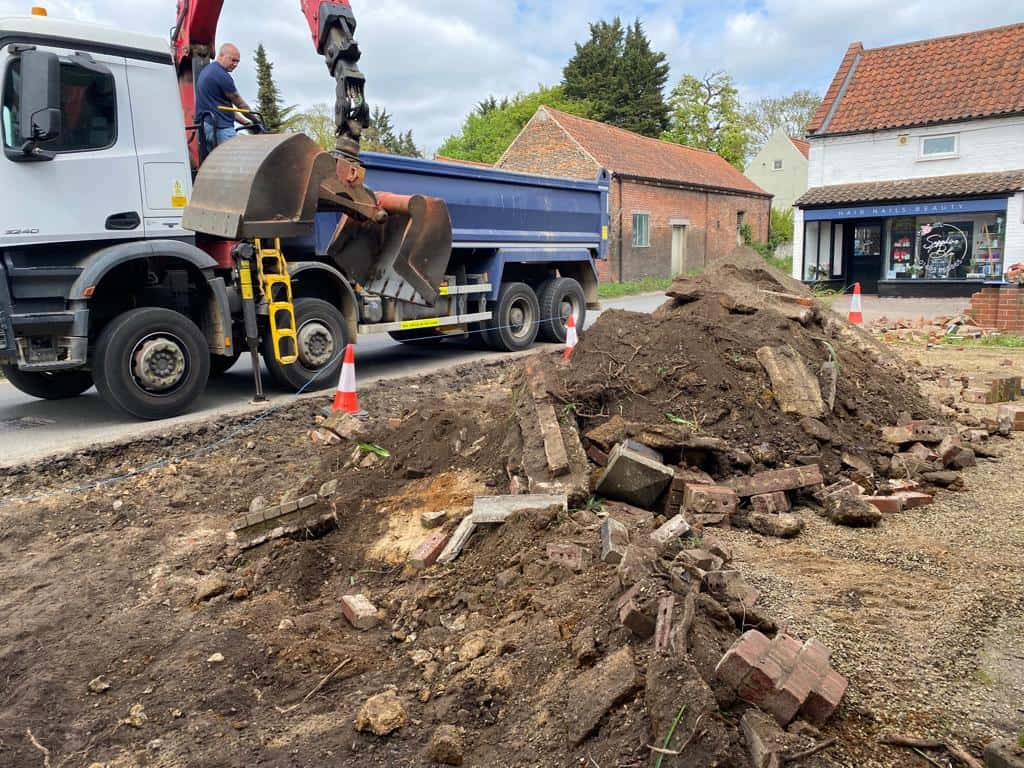
Is Tarmac Suitable for Both Driveways and Paths?
Tarmac is widely associated with driveways, but its practical qualities make it equally useful for paths and other frequently used surfaces around residential properties. Its smooth finish, durability and ability to accommodate different layouts mean it can provide a consistent solution across several parts of a garden or entrance area.
For homeowners in Camberley, Surrey, tarmac can be an excellent option when the aim is to create practical vehicle access alongside comfortable pedestrian routes. At NS Driveways Camberley, careful preparation, suitable construction and attention to drainage are all considered to ensure the finished surface is appropriate for its intended use.
Why Tarmac Works Well for Driveways
Driveways need to cope with considerably more than occasional foot traffic. Regular vehicle movements place repeated loads on the surface, particularly where cars turn, brake or remain parked.
Tarmac is well suited to these demands when installed over a properly prepared base. Its continuous surface provides a practical driving area without the numerous joints found in some alternative materials.
For residential driveways, this can create a neat and functional entrance that is straightforward to use every day.
Tarmac Is Equally Practical for Garden Paths
A path has different requirements from a driveway, but many of tarmac’s advantages remain relevant.
Garden paths need to provide stable access between important parts of the property. Uneven or deteriorating paths can make everyday movement unnecessarily awkward, particularly during wet weather.
A professionally installed tarmac path creates a smooth, clearly defined route that can connect entrances, gardens and other outdoor areas.
Smooth Surfaces Make Everyday Access Easier
One of the strongest reasons to consider tarmac for paths is its relatively smooth and continuous finish.
Surfaces made from loose materials can move underfoot, while older paving may become uneven as individual units shift. Tarmac avoids these individual joints and loose sections, creating a consistent walking surface.
This can be particularly useful for frequently travelled routes around the property.
Driveways and Paths Require Different Preparation
Although the same surfacing material can be used for both applications, a driveway and path should not simply be treated as identical projects.
The supporting construction needs to reflect how the finished surface will be used. A driveway must accommodate vehicle loads, while a pedestrian path generally experiences different levels of pressure.
Professional installation considers these requirements during preparation rather than relying solely on the tarmac surface itself.
The Base Is Crucial to Long-Term Performance
The visible tarmac is only the upper part of the finished construction. Much of its performance depends on what has been prepared underneath.
A suitable base provides stability and helps distribute the loads placed on the surface. Poorly prepared ground can contribute to problems such as:
- Settlement
- Uneven areas
- Cracking
- Surface deformation
- Weak edges
At NS Driveways Camberley, we consider the condition of the existing area and the intended use before determining the preparation required.
Tarmac Can Create Continuity Around the Property
Using tarmac for both a driveway and adjoining paths can create a consistent appearance.
Instead of several unrelated materials meeting around the entrance and garden, the surfaces can visually connect different areas of the property. This can be particularly effective where a pedestrian path branches directly from the driveway.
Careful edging can then be used to provide definition between the tarmac and lawns, borders or other landscaping.
It Can Work With Straight or Curved Paths
Garden paths do not always need to follow rigid straight lines. Depending on the available space and surrounding landscape, tarmac can be installed to follow curves and changes in direction.
This flexibility can help paths feel more naturally integrated into the garden.
The layout should be planned around practical considerations such as:
- Where people naturally walk
- Entrance locations
- Garden features
- Width requirements
- Surrounding planting
- Changes in ground level
A well-designed path should make movement around the property easier rather than simply filling an available space.
Drainage Needs to Be Considered
Rainwater management is important for both driveways and paths.
The surface levels need to be planned so that water does not unnecessarily collect in low areas or create persistent puddles. Existing drainage arrangements and the wider layout of the property should therefore be considered before installation.
Good preparation takes drainage into account from the beginning rather than attempting to address standing water after the surface has been completed.
Edging Helps Maintain a Neat Finish
Edges are an important part of a tarmac installation, particularly along narrower paths.
Suitable edge restraints help define the shape of the surface and provide a clean transition into surrounding garden areas. They can also make curved sections and boundaries appear more deliberate.
Well-planned edging can significantly improve the finished appearance of both paths and driveways.
What About Existing Driveways and Paths?
Tarmac can be considered for new surfaces as well as the replacement of older ones, but the condition of the existing area needs to be assessed first.
Cracking, settlement and poor drainage may indicate problems beneath the existing surface. Simply covering these defects without understanding their cause is unlikely to provide the best result.
Professional assessment allows the necessary groundwork to be identified before the new surface is installed.
Maintenance Is Important for Both Surfaces
Although tarmac is a durable material, every external surface benefits from sensible maintenance.
Keeping the area clear of debris, dealing with developing damage promptly and monitoring drainage can help preserve its condition. Small defects are generally better investigated early rather than being allowed to deteriorate through continued traffic and weather exposure.
The same principle applies whether the tarmac is carrying vehicles or pedestrians.
Why Professional Tarmac Installation Matters
A high-quality tarmac surface depends on far more than the material visible when the project is finished.
Ground preparation, base construction, levels, drainage, compaction and edging all contribute to the quality of the completed installation.
At NS Driveways Camberley, we consider how each area will actually be used before carrying out the work. This allows driveways and paths to be constructed around their practical requirements while maintaining a consistent, professional finish.
Conclusion
Tarmac is suitable for both driveways and paths, making it a versatile choice for residential properties. It can provide a durable vehicle surface while also creating smooth, practical pedestrian routes through gardens and around the home. The key to successful installation is ensuring that the preparation, base, drainage and detailing are appropriate for the intended use of each area.
For homeowners in Camberley, Surrey, NS Driveways Camberley provides professional tarmac driveway and path installations tailored to individual properties. If you are considering improving your driveway, garden paths or both, our experienced team can assess the area and create a well-prepared, practical surface that complements your outdoor space.
Call us on: 01276 535 294
Click here to find out more about NS Driveways Camberley
Click here to complete our contact form and see how we can help with your driveway needs.